Cold chain
Vietnam–China reefer transport: coordinating care from loading to delivery
What to agree on cargo condition, temperature requirements, airflow and handover information for agricultural products and seafood.
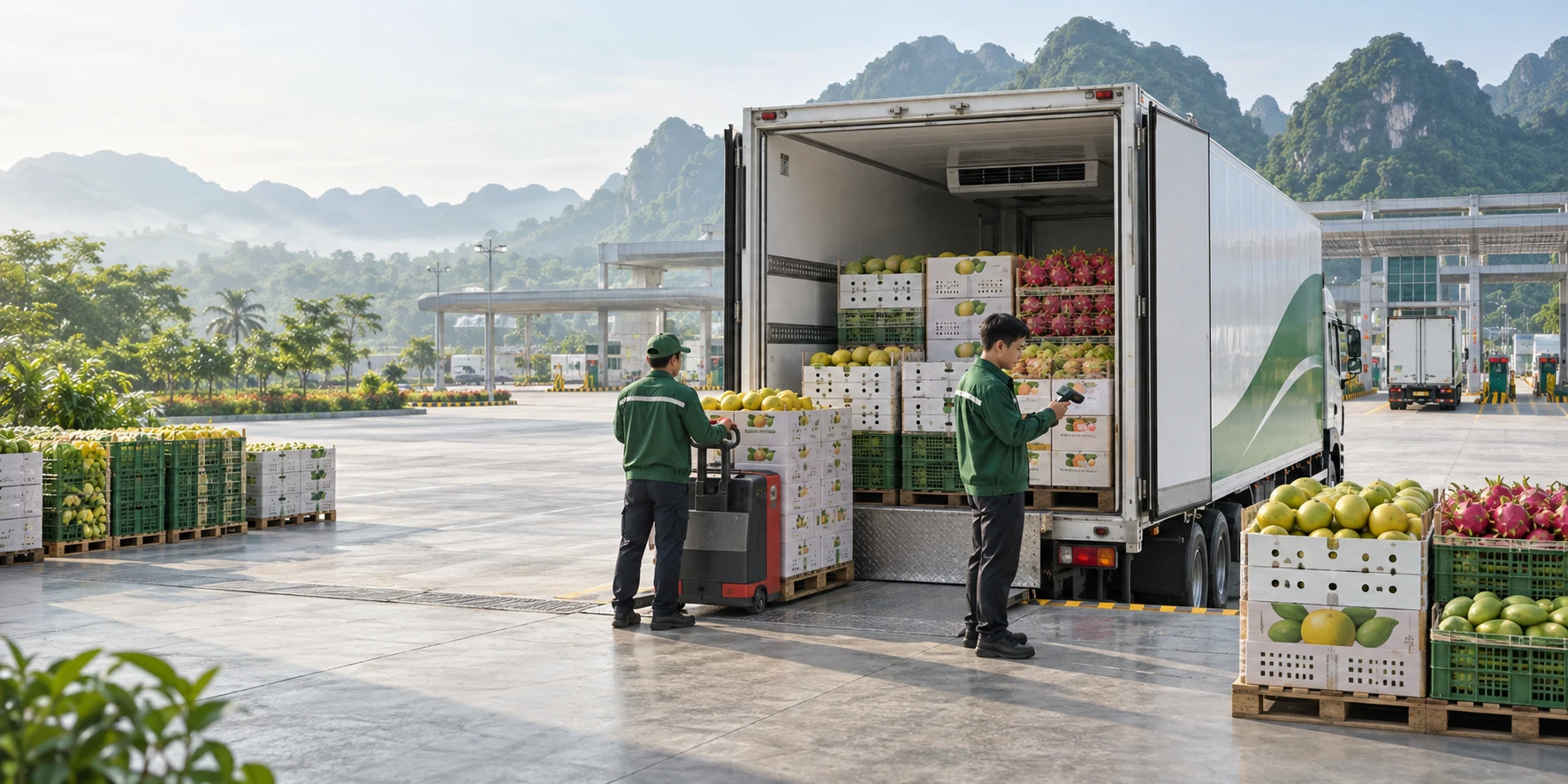
Preserving agricultural products and seafood bound for China requires coordination between the warehouse, shipper, carrier and receiver. Setting a temperature is only part of the plan. Cargo condition before loading, stowage and handover details also need to be clear.
1. Start with the product's requirements
The shipper should provide the product name, fresh or frozen condition, temperature requirements and other relevant conditions. If several products are involved, confirm that they can share a storage plan before combining them in one shipment.
Record transport requirements in writing so the warehouse and carrier can cross-check them. Parameters must suit the actual product and relevant technical guidance, not guesswork or settings copied from another load.
- Product name and condition at handover.
- Storage conditions specified by the shipper.
- Packaging, pallets and cargo-ready time.
- A contact authorised to confirm changes to the plan.
2. Check readiness before loading
The warehouse should align cargo preparation with the truck schedule to reduce unnecessary waiting. Before handling, agree who checks cargo condition, who records the information and who confirms handover.
Transport refrigeration maintains suitable conditions; do not assume that loading unprepared cargo into a container can replace proper preparation. Maersk recommends limiting door-open time during loading and unloading to reduce temperature fluctuations. Maersk guidance on refrigerated transport.
At this stage, records or photos can document packaging, quantities, times and any checks agreed by the parties.
3. Allow for airflow when loading
Use container space in line with airflow requirements. Packaging and stowage affect air distribution through the load, so follow the guidance for the equipment and product. For fresh produce, FAO highlights ventilation through both packaging and stacked units. FAO guidance.
Before closing the doors, check the stowage plan, equipment loading limits and pallet securing. Do not add extra packages if they alter the agreed plan.
4. Agree what updates are needed during transit
The shipper and carrier should agree on milestones such as loading completion, collection, handovers and estimated arrival. If data loggers are used, agree in advance how their data will be retrieved, read and stored.
Share schedule changes with both the warehouse and receiver. A clear contact point helps prevent different parties from using different schedules.
Equipment settings, air temperature and product temperature are different measurements. When comparing records, specify the data type, measurement location and time.
5. Prepare the receiving end before arrival
The receiver needs the expected schedule, cargo type, quantity and receiving requirements. Confirm who will sign, the unloading equipment and where goods will go after unloading to avoid long waits.
At handover, record quantities and visible packaging condition, check seals where relevant and compare agreed data. Record any irregularities and notify the responsible contact at the time of receipt.
With Cát Việt, discuss storage, delivery and information-recording scope for each shipment. This provides a basis for coordination from the loading point in Vietnam to delivery in China.